The ultimate guide to understanding casino odds
Understanding Luck in Gambling
Luck is often viewed as a mysterious force guiding outcomes in gambling activities. While some players believe that luck is purely random, others contend that there are ways to analyze and quantify it. The concept of luck in gambling can range from pure chance, seen in games like slot machines, to calculated risks in strategy-based games such as poker. Many enthusiasts also enjoy playing online pokies where they can experience the thrill of chance combined with strategy. Understanding luck involves recognizing its psychological aspect, as players often develop superstitions or rituals in hopes of influencing their luck.
The dichotomy between skill and luck also plays a significant role in how outcomes are perceived in gambling. Games that rely heavily on chance may provide a more unpredictable experience, while those that allow for strategic decision-making can give players a sense of control. This blend makes gambling a unique form of entertainment, drawing in individuals looking for either thrills or a calculated approach to winning. Nevertheless, the excitement of the unknown remains a vital component, suggesting that luck is deeply ingrained in the experience.
Statistical analysis can further complicate the perception of luck. For instance, understanding probabilities can help players make informed decisions, particularly in games like blackjack or roulette. Yet, even the most skilled players cannot guarantee a win since variance is always a factor. Ultimately, while luck can appear to fluctuate, it is influenced by numerous elements including the player’s decisions, the game type, and external conditions, indicating that luck may have calculable aspects despite its inherent randomness.
The Role of Mathematics in Gambling
Mathematics plays a crucial role in analyzing gambling outcomes, providing a framework for understanding probabilities and potential winnings. Each game has its own set of odds, which can be examined to determine the likelihood of various results. For example, in a standard deck of cards used in poker, players can calculate the odds of being dealt certain hands, guiding their betting strategies. This mathematical approach demystifies luck to some extent by placing it within a calculable context.
One way to quantify luck in gambling is through the concept of expected value, which measures the average outcome of a wager over time. This calculation helps players understand the potential risks and rewards associated with specific bets. For instance, knowing the house edge in casino games allows players to make more informed decisions, potentially lowering the impact of bad luck. However, despite the effectiveness of these calculations, they cannot eliminate the element of chance that is always present in games.
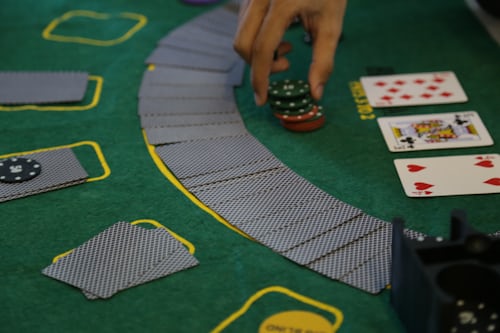
Additionally, understanding variance is essential for evaluating luck. Variance describes how much a player’s outcomes can differ from the expected value over a certain period. High variance games can lead to significant swings in results, reflecting that luck may favor players at times, while at other times it may not. Recognizing the role of mathematics not only assists in assessing luck but also enhances the overall gambling experience, empowering players to approach their games with a better-informed mindset.
Psychological Factors Influencing Perceptions of Luck
The interplay between psychology and gambling is significant, as how players perceive luck can greatly influence their behavior and decisions. Cognitive biases such as the illusion of control may lead gamblers to believe they can influence outcomes through their choices or strategies, even in inherently random games. This can fuel a sense of confidence, resulting in more aggressive betting patterns, further blurring the lines between skill and luck.
Moreover, superstitions and rituals often shape players’ approaches to luck. Common practices include carrying lucky charms or adhering to specific routines before or during gameplay. These actions can provide players with a sense of comfort, enhancing their experience even if they have no effect on actual game outcomes. Psychology can thus create environments where players feel lucky, even if statistically, they have the same chances as others.
These psychological elements show that luck is not only a numerical concept but also a deeply felt experience among players. This personal connection to luck can make gambling more thrilling and memorable, as emotions can often overshadow logical analysis. Therefore, while statistical factors provide some insight into luck, the psychological dimension highlights how players navigate the unpredictability of gambling, reinforcing the notion that luck remains an enigmatic force.
Strategies to Mitigate Bad Luck
While luck plays an undeniable role in gambling, players have developed various strategies to mitigate the impact of bad luck and improve their overall experience. One key strategy involves setting a budget and adhering to it strictly. With a predefined financial limit, players can manage their funds effectively, reducing the emotional fallout associated with losses. This approach helps maintain a disciplined mindset, allowing players to enjoy the game without the stress of excessive financial loss.

Another effective strategy is diversifying the types of games played. By engaging in a variety of gambling activities, players can balance their experiences and potentially offset losses from one game with winnings from another. For example, a player who experiences a losing streak in blackjack might find success in a game of poker, where their skills and strategies can shine. Diversifying game choices can enhance overall enjoyment and reduce the negative impacts of bad luck.
Moreover, utilizing tools such as statistics and tracking performance over time can empower players to make better decisions. Analyzing past results can reveal patterns that help inform future gameplay. For instance, players may identify favorable moments to increase their bets or recognize when to take a break after a series of losses. By integrating these strategies, players can create a protective buffer against the whims of luck, enhancing their gambling experiences in the process.
Exploring More on Luck and Gambling
Understanding luck and its influence on gambling is a complex topic that blends mathematics, psychology, and strategy. For players looking to delve deeper into the intricate relationship between luck and the games they enjoy, numerous resources and communities exist to provide insights and support. Engaging with fellow gamblers can offer valuable perspectives on luck, strategies to cope with losses, and ways to enhance gameplay.
Furthermore, many websites and forums dedicate themselves to unraveling the mysteries of gambling luck. These platforms offer articles, tutorials, and discussions that cater to both novice and experienced players. By exploring these resources, players can acquire knowledge and tools that help them navigate the world of gambling more effectively, transforming their approach to luck into a more informed journey.
Ultimately, the exploration of luck in gambling is an ongoing quest. Players are invited to consider the roles of chance, strategy, and psychology as they embark on their gambling adventures. By fostering an understanding of these elements, individuals can not only improve their gameplay but also cultivate a more meaningful connection to the games they love, making each experience richer and more enjoyable.